
"the so-called Hainan"
200 article(s) found

Yunnan small-grain Coffee Huaguoshan Coffee Flavor description grindability treatment characteristic Variety production area introduction
Coffee cultivation in China is concentrated in Yunnan and Hainan provinces. Yunnan has a large output, with an annual output of about 26000 tons in recent years, accounting for 90 per cent of the national output. It is said that Yunnan coffee came from the French 70 or 80 years ago. The main variety is Arabica Arabica, that is, the so-called small seed coffee, commonly known as Yunnan small grain coffee. The excellent geographical and climatic conditions of Yunnan provide good conditions for the growth of coffee.
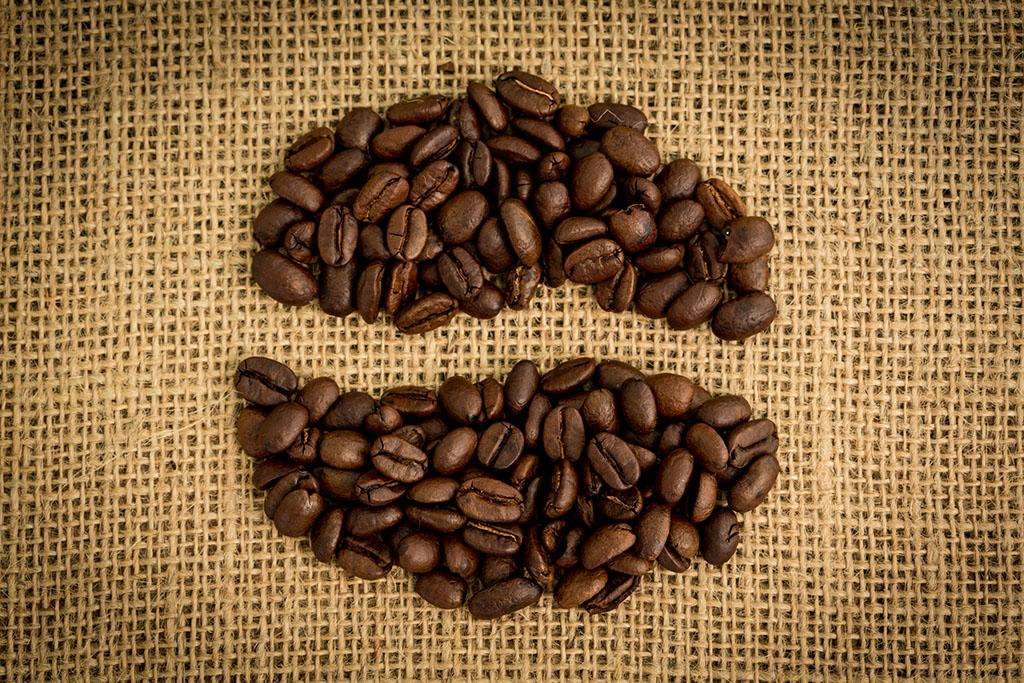
Yunnan coffee has several brands.
Pay close attention to coffee comment (Weixin Official Accounts vdailycom ) and find that Meimei Cafe opens its own small shop. Coffee planting in China is concentrated in Yunnan Province and Hainan Province. Dehong in Yunnan Province has a large output, with an annual output of about 26,000 tons in recent years, accounting for 90% of the national output. Arabica coffee is said to have been introduced by the French seventy or eighty years ago. The dominant variety is Arabica, the so-called small seed.

Description of Flavor of Yunnan small Coffee Flavor Mountain introduction to the Origin of varieties of Grinding scale
Coffee cultivation in China is concentrated in Yunnan and Hainan provinces. Yunnan has a large output, with an annual output of about 26000 tons in recent years, accounting for 90 per cent of the national output. It is said that Yunnan coffee came from the French 70 or 80 years ago. The main variety is Arabica Arabica, that is, the so-called small seed coffee, commonly known as Yunnan small grain coffee. The excellent geographical and climatic conditions of Yunnan provide good conditions for the growth of coffee.

The championship helps regulate the barista industry.
Fukuyama, June 24 (Reporter Guo Jingshui special correspondent Lin Xu) this barista championship is a brand event created by China's local coffee industry organizations, and the event will help attract more social attention to the barista industry. As a member of the National Professional Standards Appraisal Group of baristas, the referee of the 2012 China Fushan Cup International baristas Championship, Beijing

Introduction to the growing environment of Yunnan coffee and the proportion of seed brewing methods
Yunnan small grain coffee introduces Yunnan boutique coffee beans. China's coffee cultivation is concentrated in Yunnan and Hainan provinces. Yunnan has a large output, with an annual output of about 26000 tons in recent years, accounting for 90 per cent of the national output. It is said that Yunnan coffee came from the French 70 or 80 years ago. The main variety is Arabica Arabica, that is, the so-called small seed coffee, commonly known as Yunnan small grain coffee. Yunnan high-quality

Coffee cultivation in China & an introduction to #160; World ranking
Guatemala: Antigua, Huehuetenango Costa Rica: Dota, Indio, Tarrazu, Tres Rios China: Yunnan Coffee, Hainan Coffee Taiwan: Gukeng Coffee, Dongshan Coffee, Dawushan Coffee, Bamboo Mountain Coffee (Deer Valley) Cuba: Cubita, Turquin

Introduction of Yunnan Fine Coffee beans unique flavor of Yunnan Fine Coffee beans
Coffee is a kind of beverage crop with high economic value, which is called the three largest beverages in the world together with cocoa and tea, and its output and consumption ranks first among the three beverages. Coffee is rich in protein, fat, sucrose, starch, glucose, caffeine and other substances, rich aroma and delicious taste. Coffee is a perennial evergreen shrub or small tree of the genus Coffea of Rubiaceae.

Southeast Asian Coffee Tour Singapore Cafe
Tourists are often at a loss in front of a Southeast Asian coffee sign on the streets of Singapore, on the corner of Vietnam, Malaysia and other places. Although coffee was transliterated by clever ancestors in the early years of its spread, Singaporeans always call coffee Kopi, which is pronounced from Minnan dialect. As a result, Kopi O and Kopi C have inexplicably become the signboards of many Southeast Asian cafes.
Boutique Coffee Culture Coffee visit in Southeast Asia
Southeast Asian Coffee visit Singapore Cafe. Tourists are often at a loss in front of a Southeast Asian coffee sign on the streets of Singapore, on the corner of Vietnam, Malaysia and other places. Although coffee was transliterated by clever ancestors in the early years of its spread, Singaporeans always refer to coffee by Kopi, which is pronounced from Minnan dialect, causing Kopi O and Kopi C to be baffled.

Boutique coffee beans Yunnan coffee latest coffee introduction unique flavor full of taste
Coffee is a kind of beverage crop with high economic value, which is called the three largest beverages in the world together with cocoa and tea, and its output and consumption ranks first among the three beverages. Coffee is rich in protein, fat, sucrose, starch, glucose, caffeine and other substances, rich aroma and delicious taste. Coffee is a perennial evergreen shrub or small tree of the genus Coffea of Rubiaceae.
Boutique Coffee Culture Common sense Coffee Culture in Southeast Asia
I don't know how you are in other parts of Southeast Asia, but I am always at a loss on the streets of Singapore, on the corner of Vietnam and on a sign in Malaysia. Although transliteration of things like coffee was widely used by clever ancestors in the early years of its spread, there is not much audio-visual barrier, even though Singaporeans always refer to coffee as Kopi, which is pronounced from Hokkienese.
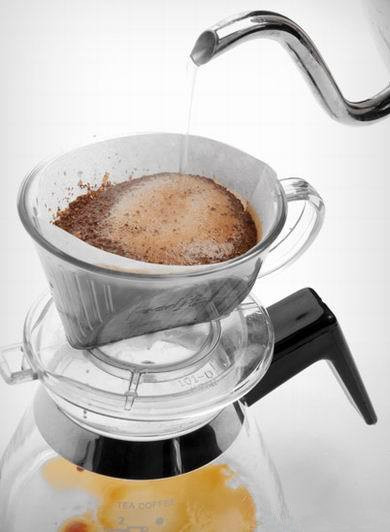
Coffee Tour in Southeast Asia Caf é recommendations in Asia
Southeast Asian Coffee visit Singapore Cafe. Tourists are often at a loss in front of a Southeast Asian coffee sign on the streets of Singapore, on the corner of Vietnam, Malaysia and other places. Although coffee was transliterated by clever ancestors in the early years of its spread, Singaporeans always refer to coffee by Kopi, which is pronounced from Minnan dialect, causing Kopi O and Kopi C to be baffled.

A brief introduction to the planting and Development of Katim Coffee Bean Flavor description area
Following Cafe (Wechat official account vdailycom) found that Beautiful Cafe opened a small shop of its own, Catimor: in 1959, the Portuguese mixed Brazilian Kaddura with Timo to produce a disease-resistant Katim / Katimo, which is now an important variety of commercial beans. Katim is a variety introduced later, with a relatively stable yield and strong resistance to diseases and insect pests.

Two young girls gave up their high salary just for their dreams and opened a coffee shop in Haikou
In this humble courtyard, there is a small cafe that has just opened. The owner of the cafe is two girls from out of town, they are high school classmates, but they have a common dream to open their own coffee shop. To this end, they gave up their previous high-paying jobs and opened a shop in Haikou. A small shop of 50 square meters, incandescent lights on the ceiling, painted brick walls, transparent glass
Exploration of Coffee in Southeast Asia
Singapore Cafe. Tourists are often at a loss in front of a Southeast Asian coffee sign on the streets of Singapore, on the corner of Vietnam, Malaysia and other places. Although coffee was transliterated by clever ancestors in the early years of its spread, Singaporeans always refer to coffee by Kopi, which is pronounced from Minnan dialect, causing Kopi O and Kopi C to inexplicably become many Southeast Asian coffee.

Pure nonsense, the coffee bean brand. Xiaobai knows 123 of the coffee world.
As mentioned in the previous article, coffee beans are not boiled. Due to witnessing too many students looking for the best coffee bean brands on the Internet, the editor continued to write a 123 / 2 article on coffee bean brands that Xiaobai understands the coffee world. This time I would like to talk about the coffee bean brand, my conclusion is that the coffee bean has no brand. Why do you say that? is there a brand of green vegetables? Potatoes have a brand.
Explore the flavor of Yunnan Katim coffee beans Yunnan Katim coffee beans
For more information on coffee beans, please follow the Coffee Workshop (official Wechat account cafe_style) Coffee trees are flowering plants of the genus Rubiaceae, ranging in size from small shrubs to 18 meters tall. Wild coffee species grow irregularly in the tropics, and new species are still being discovered. Strictly speaking, coffee is only
It is said in China why Yunnan small coffee beans are difficult to explain why Yunnan coffee beans taste bad.
Professional coffee knowledge exchange more coffee bean information please follow the coffee workshop (Wechat official account cafe_style) Qianjie-Yunnan small grain coffee brief introduction China's coffee cultivation is concentrated in Yunnan Province and Hainan Province, Yunnan Dehong production is relatively large, in recent years annual output of about 26000 tons, accounting for 90% of the national output. Small

A brief introduction to the planting situation of Yunnan Tieka Coffee Fine Coffee beans, Geography, Climate and altitude
Baoshan: the cultivation of coffee in Baoshan began in the mid-1950s, and the first coffee seedling was introduced by the late patriotic overseas Chinese Mr. Liang Jinshan in Southeast Asia. The local famous Lujiangba small grain coffee is of excellent quality. It was rated as first class in London, England as early as the late 1950s. In recent years, with the expansion of international trade, Lujiangba's small-grain coffee is more famous. Europe, the United States, Afghanistan

Description of taste and flavor of Tippika Coffee introduction of Variety treatment Manor in Grinding scale production area
The taste and flavor of Tieka Coffee describes the grinding scale producing area variety treatment method Manor introduces that Arabica and Robusta are species of coffee trees, the former grows at high elevations, while the latter grows at low elevations, the two are very different in use. there are few occasions where they can be compared. Hainan and Yunnan are different producing areas, affected by local soil, water and climate, taste and flavor, etc.